Under the High Moors: Stars and Footsteps Across the Peak District

Step into a night of crisp horizons and velvet skies as we guide you through stargazing and night hike routes across the Peak District High Moors. From wind-scoured plateaus to gritstone edges, discover how to plan, walk, and wonder safely. Expect practical guidance, heartfelt stories, and celestial highlights that transform familiar paths into fresh adventures. Whether you bring binoculars, a tripod, or simply open curiosity, this journey invites you to see the moors anew when the lights of day finally dim.

Finding Darkness and Direction

Success after sunset begins long before your boots touch peat. Assess cloud cover trends, wind direction, and ground moisture to anticipate visibility and comfort. Check access land, path conditions, and seasonal restrictions so your route respects the landscape. Align your timing with the end of astronomical twilight, and choose start points with responsible parking and quiet exits. Preparation lends confidence, leaving more attention for the sky’s unfolding theatre and the gentle hush that only the moors can hold.

Reading the forecast and timing your start

Reliable nights often arrive behind earlier rain as clearing skies sweep from the west. Pair a detailed forecast with satellite cloud imagery to avoid stubborn banks of mist. Note wind speeds on exposed edges, and track temperature drops that harden boggy ground. Cross-check moonrise times with your intended summit window. Give yourself a flexible buffer for slower night pacing, then aim to arrive at viewpoints just as true darkness settles, when stars step forward and distractions fade.

Chasing shadow: moon phases, light pollution, and true night

For the Milky Way, choose a moonless window and escape city glow by aiming deeper onto open access moorland. Use a light pollution map to favor darker valleys and high, shielded plateaus. Conversely, if nervous about full darkness, harness a waxing moon to gently illuminate paths and tors, easing foot placement without headlamp glare. Balancing lunar light with your goals keeps you safe, lets eyes adapt, and preserves that delicate, awe-filled sense of night’s quiet clarity.

Packing for confidence after sunset

Carry layered warmth, a windproof shell, and gloves you can operate zippers with in cold gusts. Add a map, compass, and red-light headlamp, plus a spare battery and a small backup torch. Stable footwear with wet-grip lugs matters on slick flagstones and peaty trods. Stash hot drinks, high-calorie snacks, and a compact sit pad for sky breaks. Include a bivy or emergency bag, whistle, and first-aid essentials, so small setbacks never eclipse your night’s quiet magic.

High Moor Circuits After Dusk

Routes across the Peak District High Moors change character by starlight. Winds soften, skylines sharpen, and every familiar outcrop gains mystery. Choose loops with clear handrails—walls, edges, and streams—so navigation stays simple while you look up. Think modest distances first, then extend as confidence grows. We outline memorable circuits where path finding remains fair, escape options exist, and views reward the effort. Each suggestion favors responsible parking, low-impact access, and that unhurried rhythm a good night walk deserves.

Kinder Scout plateau loop via Jacob’s Ladder

Ascend from Edale as dusk gathers, using the stone steps of Jacob’s Ladder for a steady rhythm. On the plateau, keep to flagstones where possible, then follow edge lines that curve toward Kinder Low trig. Avoid plunging into deep groughs by honoring wall junctions and cairned sections. If cloud drops, bail via Pennine Way lines toward Upper Booth. On clear, moonless nights, galaxies stitch the horizon while the valley’s few distant lights remind you how far the sky can reach.

Bleaklow’s stones and silent wreck sites

From Snake Summit, trace the Pennine Way north before curving onto Bleaklow’s open shoulders. The peat expanse demands careful bearings; choose nights with kinder winds and excellent visibility. Many hikers visit aircraft wreck sites by day; if passing near at night, move respectfully, minimize light, and avoid lingering. Better yet, steer for Wain Stones where grit pillars stand like guardians. Return along clear trods that rejoin the highway, carrying away a deeper respect for solitude’s quiet, unadorned company.

Derwent and Stanage edges by starlight

Link Derwent Edge’s sculpted tors—the Wheel Stones and Salt Cellar—before tracing a sheltered descent to the reservoirs’ muted reflections. Alternatively, start near Hook’s Car and take Stanage Edge, where a linear out-and-back keeps navigation straightforward. Wind funnels along these ramps, so pack a warm midlayer and steady your footing on frosted grit. When the moon hangs low, tors cast soft shadows that guide you without glare. Pack patience, pause often, and let constellations set your walking tempo.

Confident Steps When the Ground Turns Shadow

Night rewards calm decisions. Keep navigation simple, check bearings more often than pride suggests, and preserve night vision by using red light sparingly. Agree turnaround times, rendezvous points, and how you’ll handle deteriorating weather. Share layers if someone chills, communicate pacing needs, and keep morale high with short, regular pauses. Focus on three fundamentals—route clarity, warmth, and hydration—while resisting the urge to rush. With thoughtful habits, even a windy edge becomes a steady, memorable corridor to wonder.

Navigation that works when screens fail

Batteries fade faster in cold, so prioritize analog skills. Thumb the map, align terrain with contour shapes, and confirm features by touch and sound—the crunch of flagstones, the hush of heather, the glide of water. Use short compass legs rather than heroic single bearings, especially on peat plateaus. Keep a backup headlamp handy before you need it. Smartphone mapping is helpful, but let it verify, not lead. The night rewards those who double-check calmly and walk deliberately.

Bog, wind, and winter: managing real hazards

Peat groughs hide ankle-sucking surprises, so probe soggy ground with trekking poles and avoid faint shortcuts. Gusts escalate unexpectedly on edges; tighten hoods before exposed corners and widen your stance. Winter brings rime, black ice, and numb fingers that fumble zips and buckles. Hydrate even when cold dulls thirst. If a companion falters, shorten the loop and descend early rather than gamble. Anchoring choices in conservative judgment keeps adventure intact while stripping drama from otherwise fixable problems.

Group flow, pacing, and getting everyone home

Agree on signals before darkness—one whistle for stop, three for help, a raised hand for pace change. Rotate the lead to share effort and keep navigation sharp. Check each person’s comfort, adjusting layers, stride, and snack breaks before small issues snowball. Appoint a back marker who never overtakes. In dense cloud, tighten spacing and walk heel-to-toe on tricky slabs. Debrief at the car with warm drinks, noting what worked and what you’ll tweak, then share the lessons generously.
Sky Wonders Above the Gritstone
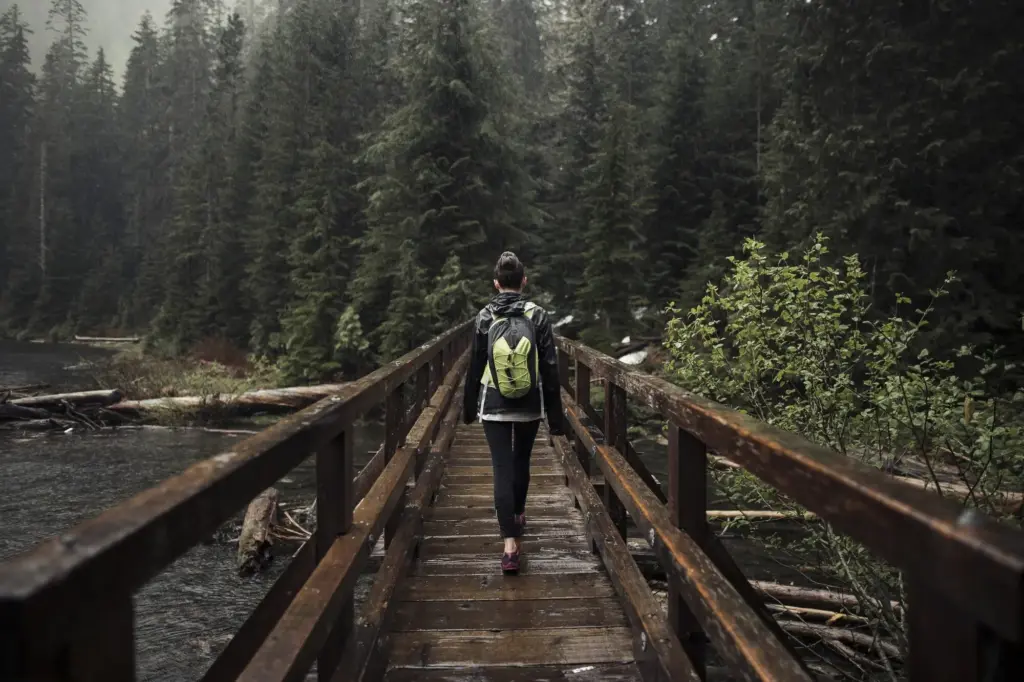
The Peak District’s high moors sit beneath skies that invite unhurried attention. Learn seasonal signposts so your gaze lands with purpose: arcs, triangles, and bright anchors that guide you deeper. Expect satellites sliding quietly overhead, meteors sketching quick wishes, and sometimes the faint river of the Milky Way. Keep lights low so rods in your eyes keep working. Let the sky set the agenda, accepting that clouds are part of the story and patience is the true instrument.

Night Photography Among Wind-Carved Edges
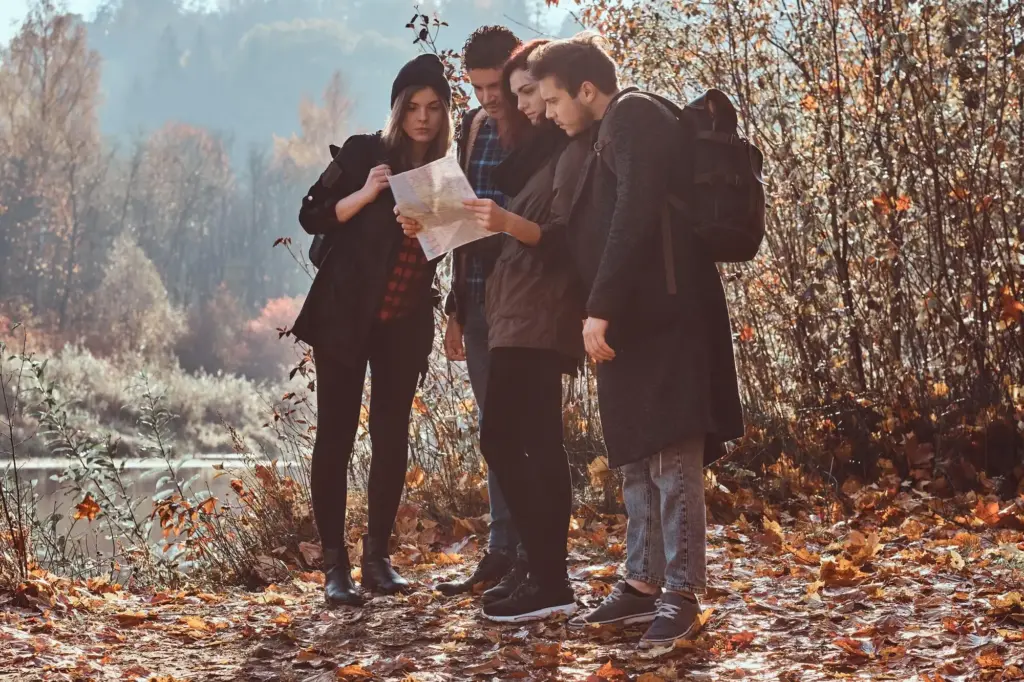
Photographing the moors after dark blends patience with practical craft. Simple gear, steady technique, and an eye for foreground storytelling yield honest, luminous images. Favor familiar paths so you can work calmly between gusts, and keep compositions flexible as clouds drift. Small routines—lens checks, quick histograms, thoughtful focus—reduce fumbles. Most of all, listen to the night. When shutters close and you pause, the moors often gift an unexpected alignment: a gap in cloud, a brighter trace, a deeper hush.

Stories, Community, and the Quiet Joy of Returning
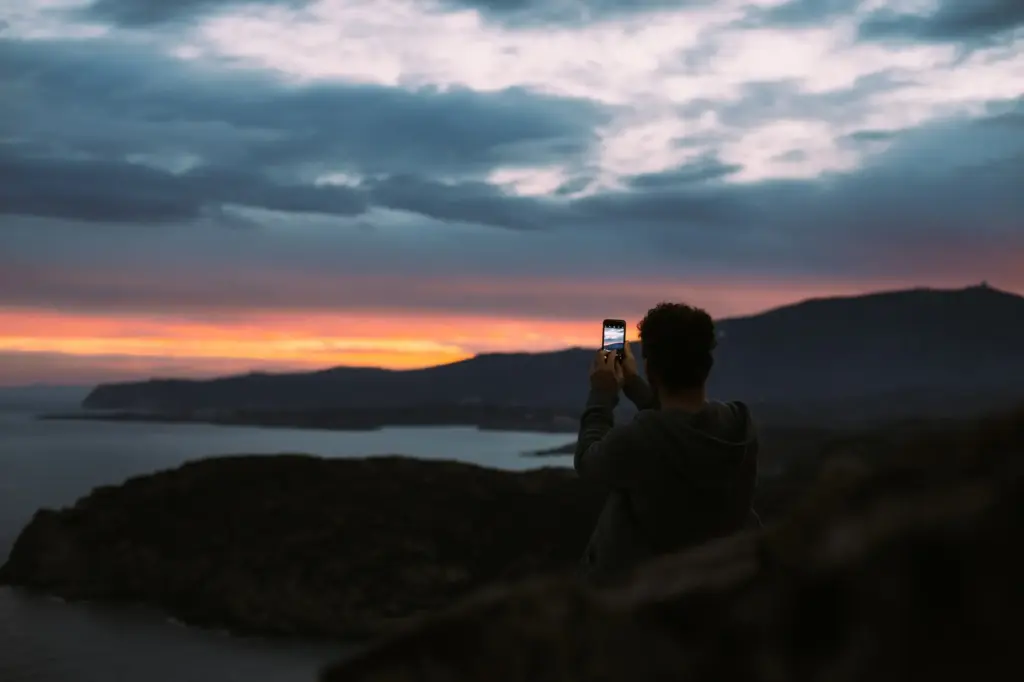
First footsteps after dark: a remembered beginning
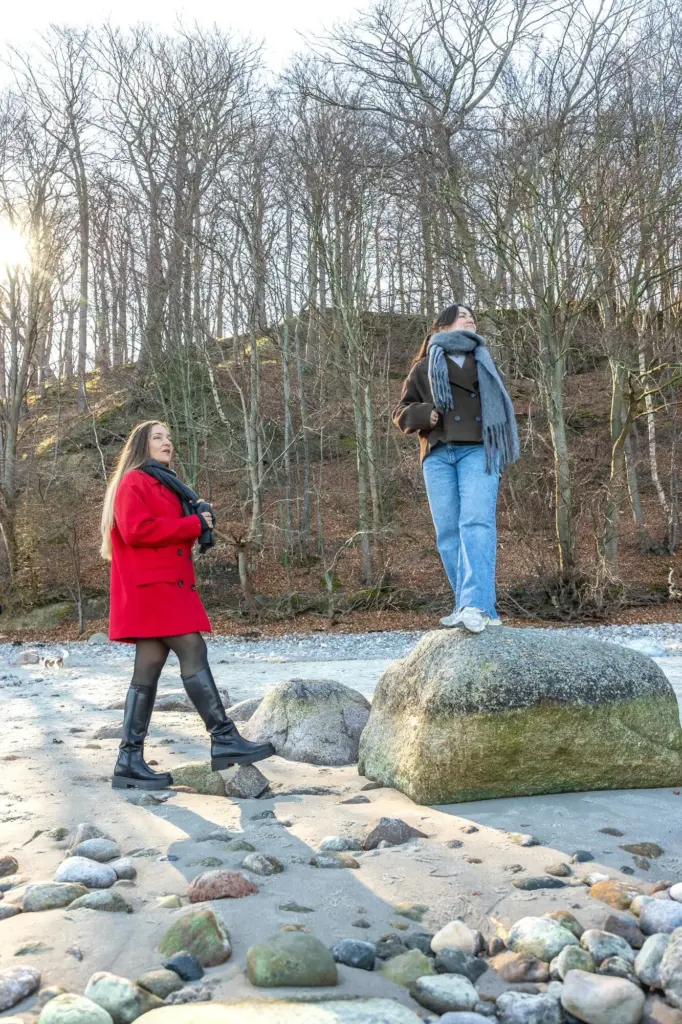
I set out nervously from Edale, headlamp dimmed to red, listening to boots whisper on flagstones. Midway up Jacob’s Ladder, clouds dissolved as if a curtain lifted. The plateau’s edge revealed Orion leaning over the valley, each star crisp in cold air. I sipped tea, grinned into the wind, then turned for home slower than I came. The path had not changed, yet everything felt amplified. That was the night I realized darkness can brighten attention.

Shared milestones under a million pinpricks

We celebrated a friend’s birthday on Derwent Edge, carrying a tiny cake and a thermos that steamed like a comet tail. The Wheel Stones sheltered us from a playful northerly while the Perseids began their patient show. Every streak lifted conversation into soft laughter and quiet awe. On the descent, we named constellations imperfectly, promised better next time, and meant it. Shared nights stitch friendships with simple threads: careful steps, warm drinks, and a sky generous enough for everyone.

Join the conversation and help map the routes we love
Tell us where you watched the Milky Way rise, which car parks felt considerate, and which trods held firm after rain. Share GPX links, safety tips, and gentle etiquette for wildlife and walls. Subscribe for fresh sky guides, seasonal route updates, and photography walkthroughs that keep learning friendly. Post your questions, post your attempts, and post your small triumphs. Together we’ll refine a living map of night walks across the high moors—and keep these skies welcoming.