Confident After-Dusk Trails in the Peak District

Step into the gloaming with practical, reassuring guidance for low‑light hiking safety in the Peak District, weaving together trustworthy navigation habits, headlamp choices that truly work, and weather awareness shaped by local edges, dales, and moorland, so your after‑sunset adventures stay calm, intentional, and joyfully memorable.

Setting Off After Sunset

Plan for fading light before your boots touch the path, estimating time using civil twilight, knowing last bus or train from Edale or Hathersage, and matching distance to terrain, so you finish smiling, not sprinting, while listening for owls and watching edges glow.

Twilight Timing and Route Choice

Check sunset, civil twilight, and moonrise together, then choose loops with clear handrails like walls, old tracks, or ridge lines. Kinder, Stanage, or the Great Ridge look inviting, yet short misjudgments multiply at night, so shorten ambitions and build confidence step by step.

Group Pace, Solo Decisions

Agree an honest pace before leaving the car park, including rests for layers, photos, and snacks. In darkness, leaders rotate more often, chatter stays closer, and solo walkers commit to turnaround times that ignore summit fever and protect safety when enthusiasm surges dangerously.

Paper Map Mastery

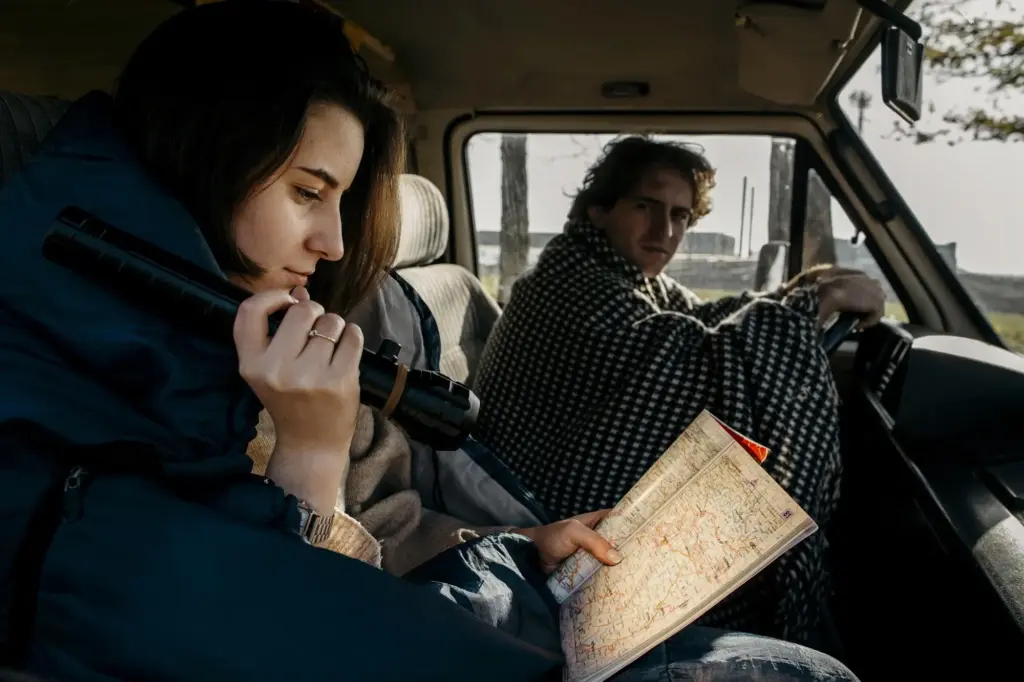
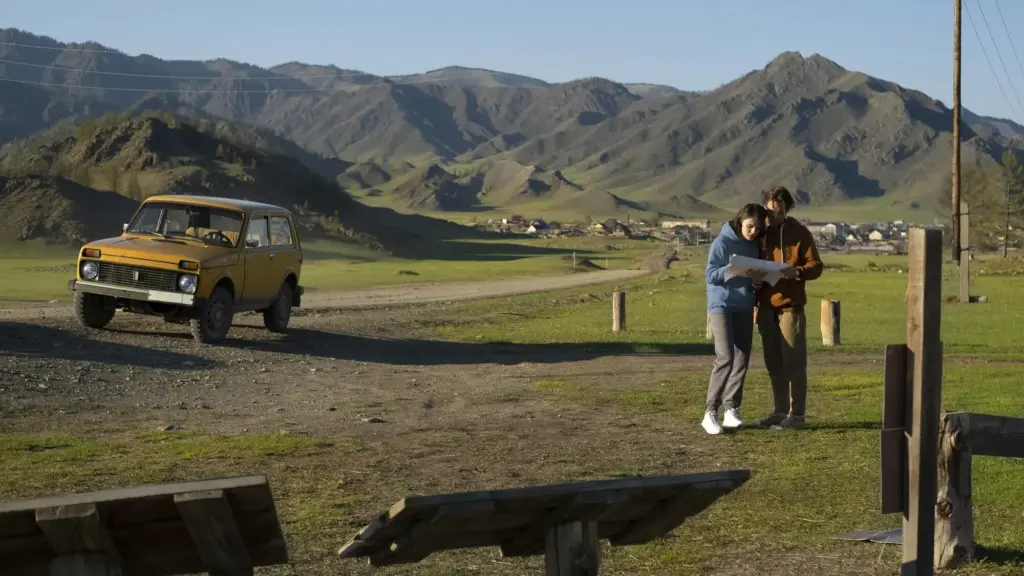
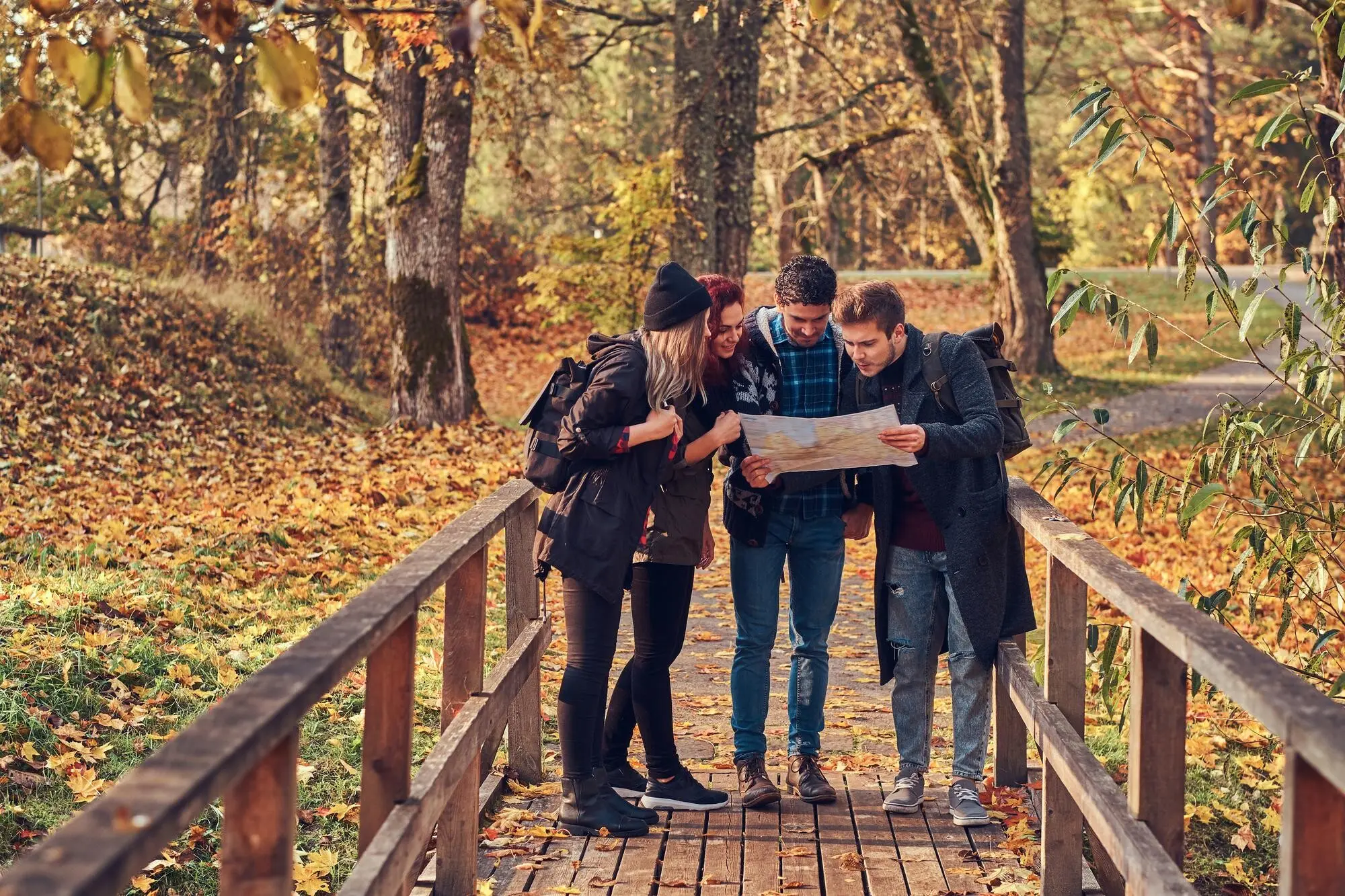
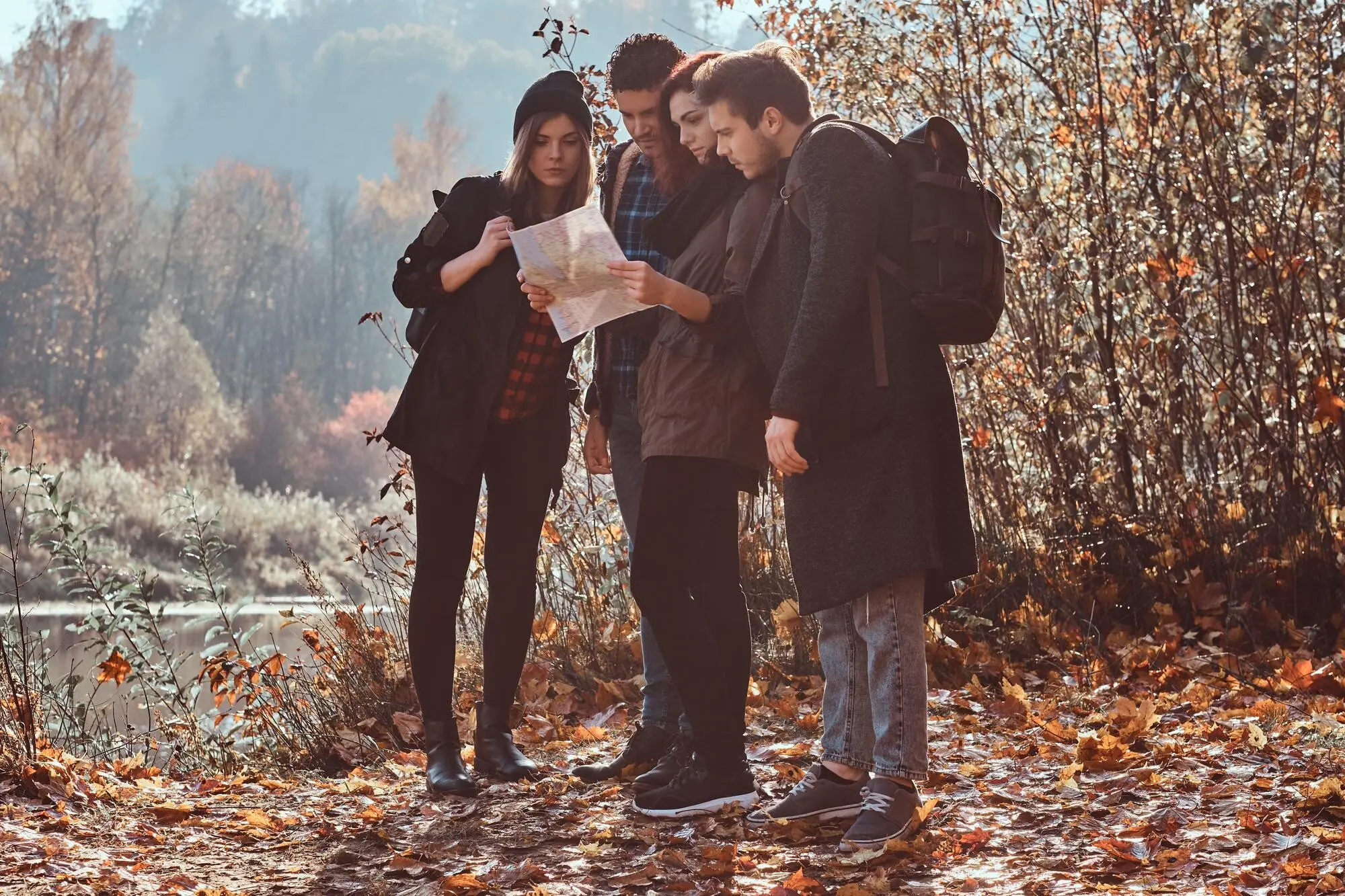
Fold the sheet to your active area, thumb your location, and update each junction. Count double-paces between features, tick off gates, and trace spurs and re-entrants. Night rewards disciplined habits, turning abstract squiggles into an unfolding story that keeps feet exactly where intended.

Compass Work in Moorland

Set a bearing that clears gullies, note magnetic variation, and lock elbows for steady lines. Break long legs into bite-sized chunks with attack points and catching features. When peat groughs lure you off-course, stop early, breathe, and confirm slope aspect before committing further.

Digital Tools with Discipline

Download OS maps offline, carry a power bank, and track breadcrumbs sparingly. Bright screens wreck night vision and tempt risky shortcuts, so dim displays and stick to pre-planned waypoints. A phone is brilliant backup, never a substitute for practiced, printable, battery-free confidence.

Headlamps That Earn Their Keep

The right light makes paths friendlier, colours clearer, and judgement calmer. Look for dependable beams around 300–400 lumens for walking, stronger bursts for nav checks, red mode for camp chat, weather sealing, glove-friendly buttons, and batteries that shrug at cold moorland nights.
Blend a broad flood for foot placement with a tight spot for scanning cairns and stiles. Avoid headline-grabbing numbers that burn hot, then fade. Consistency, colour rendering, and even edges prevent vertigo on flagstones and help notice tell‑tale textures in muddy ruts.
Lithium cells keep voltage in frost better than alkalines, yet every battery dies eventually, usually miles from the car. Carry spares warm, add a power bank, and schedule charge checks with snacks, because predictable routines beat heroic improvisation when drizzle soaks everything.
A sliding band or front-heavy unit invites headaches and forehead shadows. Test tilt, beam memory, and gloves with your chosen hat. Keep a tiny backup torch in a chest pocket, so dropped gear becomes a hiccup, not a trip-ending emergency under sighing clouds.

Reading Peak District Weather at Dusk

Edges catch wind that valleys barely feel, and Kinder’s plateau breeds cloud that rolls like surf. Check Met Office mountain forecasts, observe dew on grass, and plan for temperatures tumbling fast after sundown, factoring windchill that numbs fingers exactly when navigation grows fiddlier.

Terrain Hazards You Meet in the Dark

Night hides gaps and amplifies imagination. Expect slick flagstones near Mam Tor, unfenced drops along Stanage, and peat hags across Kinder’s top. Limestone dales shelter unexpected steps, while old shafts around Castleton demand vigilance. Slow feet and bright decisions beat speed every single time.

01

Edges, Gullies, and Unfenced Drops

Keep beams slightly down to avoid tunnel vision, sweep left and right at intervals, and leave big margins near cliffs. Loose grit shifts silently at night, so test every stance. If wind shoves, crouch, breathe, and give knife-ridge bravado a miss until daylight.

02

Boggy Plateaus and Hidden Streams

Peat disguises running water with black mirrors that swallow steps. Probe with poles, spread group spacing, and re-route around shining patches. In prolonged rain, expect lines to vanish and ankle-deep turns kneedeep, so patience and detours become heroic, not optional, decisions worth celebrating.

03

Farms, Livestock, and Night Etiquette

Head torches spook animals; angle light down, pass steadily, and keep dogs on short leads. Close gates carefully, avoid yard shortcuts, and greet late workers. Respecting livelihoods keeps access welcome, especially when footsteps, voices, and beams carry farther across frosty fields after dark.
Emergency Preparedness and Communication

Hope for stars, prepare for hiccups. A compact first aid kit, bothy bag, and extra warmth turn mishaps into manageable pauses. Reflective accents, whistle and torch signals, and a charged phone give rescuers a fighting chance should navigation or weather briefly overwhelm good judgement.

A Lesson from a Foggy Kinder Night

We left the cairn feeling certain, then noticed the wind wrong for our intended line. Checking slope aspect saved a kilometre of wandering, and a chocolate stop restored humour. Small cross‑checks multiply confidence, especially when darkness persuades brains to invent persuasive, misleading shortcuts.

The Headlamp That Earned Its Keep

A steady, warm beam revealed wet edges on sandstone steps, while a brief turbo mode picked out a stile hiding behind hawthorn. Keeping batteries warm in an inner pocket meant full power after supper, proving simple habits can transform tricky descents into relaxed strolls.

Your Turn: Share, Subscribe, and Join a Night Walk
Tell us your favourite dusk loop, your headlamp that never quits, or the forecast that changed your plan for the better. Comment, subscribe for monthly route ideas, and join a community night walk where newcomers learn safely from generous, quietly experienced Peak District friends.