Where Light Turns to Gold Above the Peaks

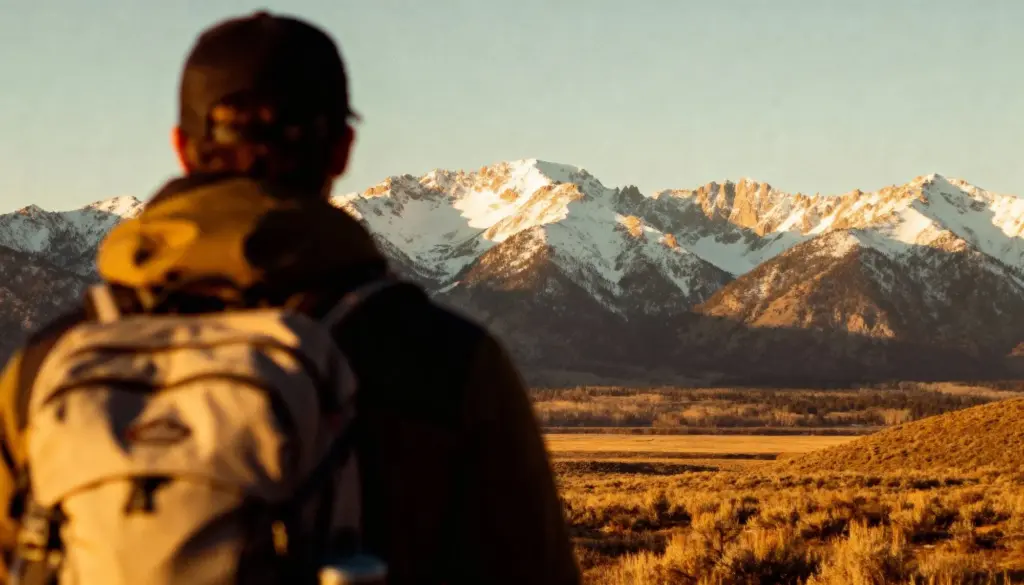
Join us for a dawn-to-dusk journey through the Peak District’s high places, where ridges catch fire and moorland glows. We explore golden hour photography spots on Peak District summits, sharing practical routes, timing tips, gear advice, safety wisdom, and stories that invite you to step out and shoot.

Make Every Minute Count: Light, Weather, and Timing

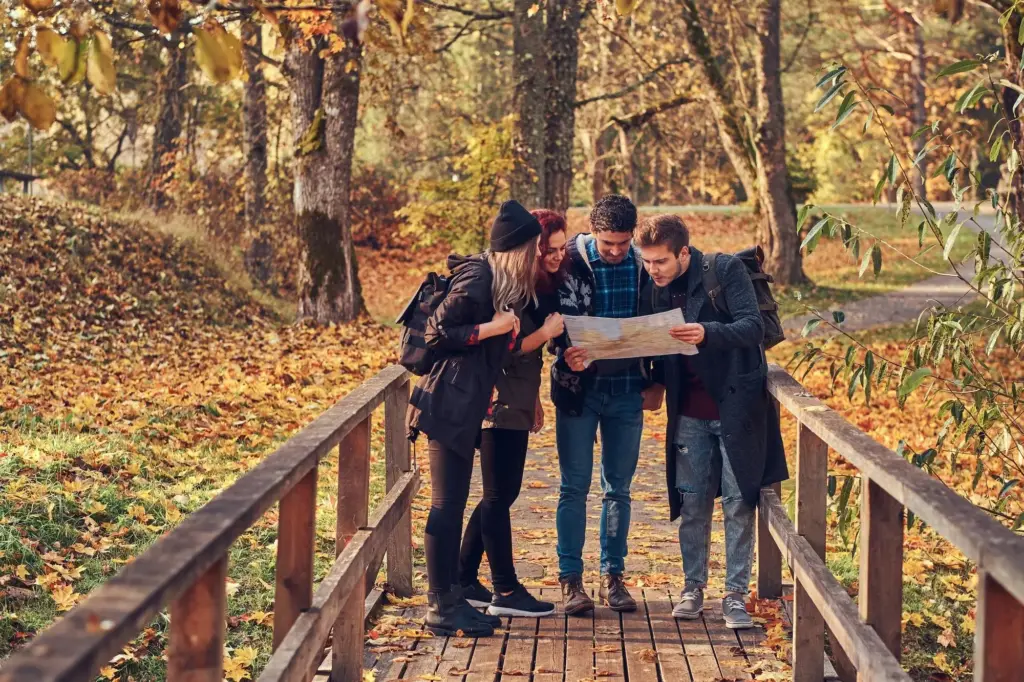
Golden hour in the Peaks rewards meticulous planning. Check sunrise and sunset azimuths with PhotoPills or The Photographer’s Ephemeris, pair forecasts from the Met Office and MWIS, and budget steep approaches and wind exposure. Summer at 53°N stretches warm light; winter compresses it yet gifts inversions, hoar frost, and crystalline visibility that flatters ridgelines, gritstone textures, and far-reaching valleys.

Skyline Classics Worth the Early Alarm

Some heights seem engineered for sunlit edges. From Mam Tor’s fast access and sweeping ridgeline to Kinder Scout’s wild plateau and the tumbling brink of Kinder Downfall, to Win Hill’s conic perch above the Ladybower arms, these vantage points welcome both first light and final embers with generous, photogenic angles.

Limestone Fins and Gritstone Heights for Fiery Evenings

Limestone ridges knife the sky like dragon spines while gritstone escarpments hold the last fire until night. Both reward careful footwork and patient timing. Expect wind-polished textures, sudden grazing herds, and west-facing viewpoints that hold color long after the sun slips beyond distant hills.

Compose with Purpose: Lines, Layers, and Living Moorland

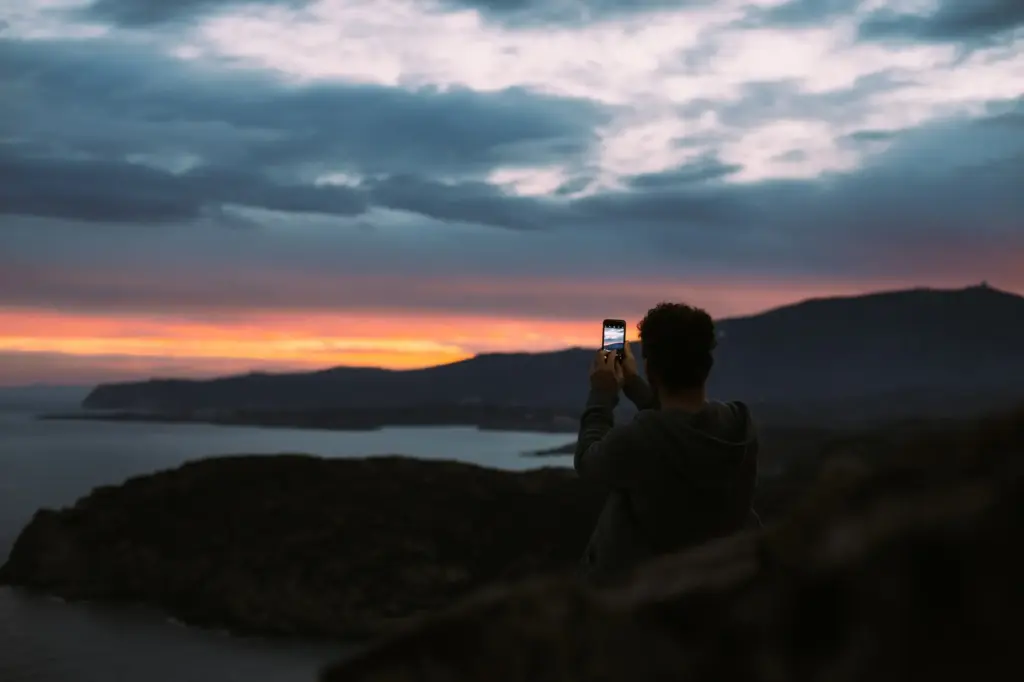
Great images start before the shutter. Learn to anchor foregrounds with purposeful textures, thread pathways through ridges, and read the choreography of clouds and wind. Embrace changing light, pivot compositions quickly, and allow human presence to scale the landscape without stealing its quiet authority.

Foreground Stories: Walls, Gateposts, Cairns, and Heather

Seek tactile anchors: lichen on walls, frosted grasses, weathered gateposts, millstone grit ledges, or a cairn’s stacked geometry. Place them a third into frame to invite a journey upward toward the burnished ridge, ensuring they remain honest accents rather than overpowering centerpieces in delicate light.
Harnessing Wind and Movement Without Losing Sharpness

Wind is a collaborator and a critic. To preserve detail in heather and grasses, use faster shutter speeds or time exposures between gusts. For motion poetry, lengthen to half a second with stabilized support, letting clouds smear softly while rocks remain crisp and grounded.

Telephoto Compression for Rolling Valleys and Edges

Compressing distance with 70–200mm or longer lenses sculpts stacked hills into rhythmic contours. Watch heat shimmer on summer evenings and refocus frequently. Isolate shafts of light painting Edale, Hope, and Upper Derwent, revealing storyful vignettes that a wide view would dilute or overlook entirely.

Kit That Carries Light: Minimal, Reliable, Ready

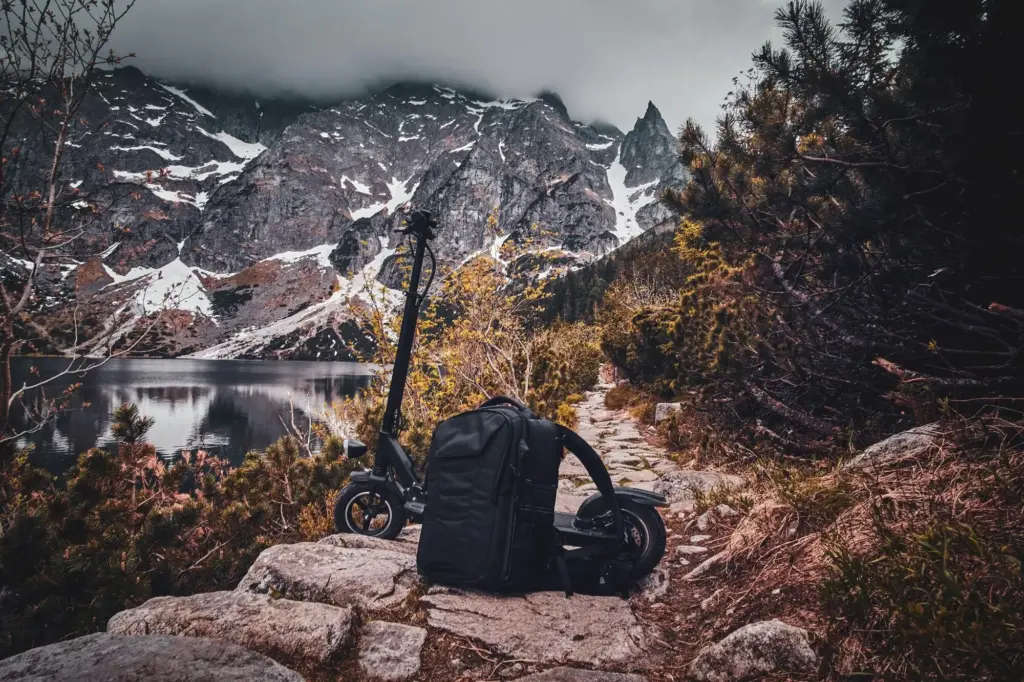
Carry only what lets you move surely and respond quickly. A lightweight system camera, two dependable lenses, solid tripod, and headtorch beat a heavy battalion. Prepare for wet peat, sudden squalls, and cold wind, because comfort buys concentration when the sky finally catches fire.

From Raw File to Felt Memory

Editing should preserve the mood that drew you to raise the camera. Let warmth bloom without cartoon shine, honor shadow-laced valleys, and sequence images as a walk through lifting light. Then share, invite conversation, and pass forward precise tips that helped you stand there.